
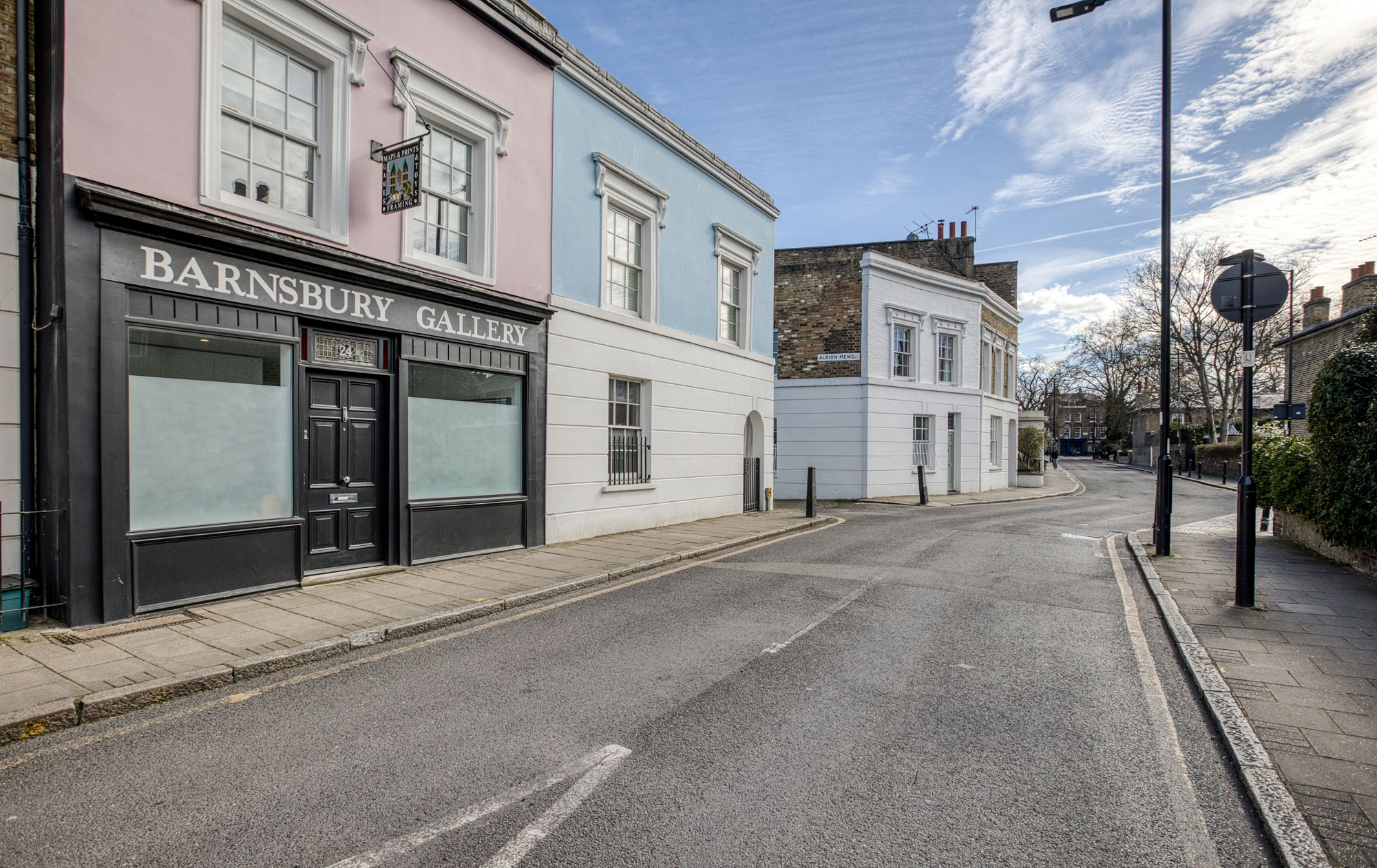
Islington's Independent Estate Agency
A more refined approach to prime London property.
Local expertise. Bespoke marketing. Exceptional results. Serving Islington, Highbury, Barnsbury, Clerkenwell and the surrounding areas.
Local Expertise
In-depth knowledge of Islington and prime Central London.
Bespoke Service
A personalised approach tailored to your unique goals.
Premium Marketing
High-end photography, video and targeted exposure.
Exceptional Results
Strategic advice and negotiation that delivers.
Properties we think you'll love


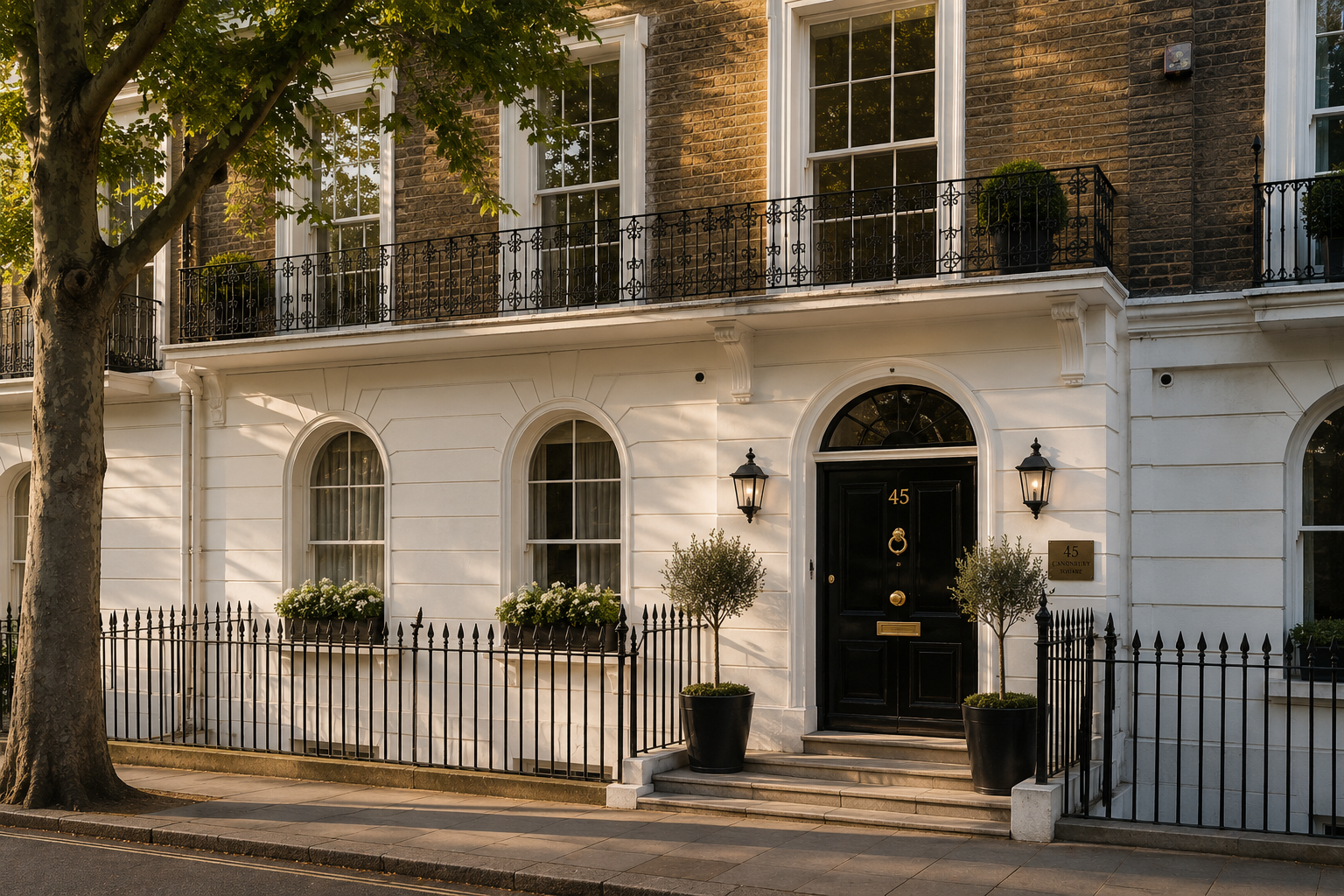
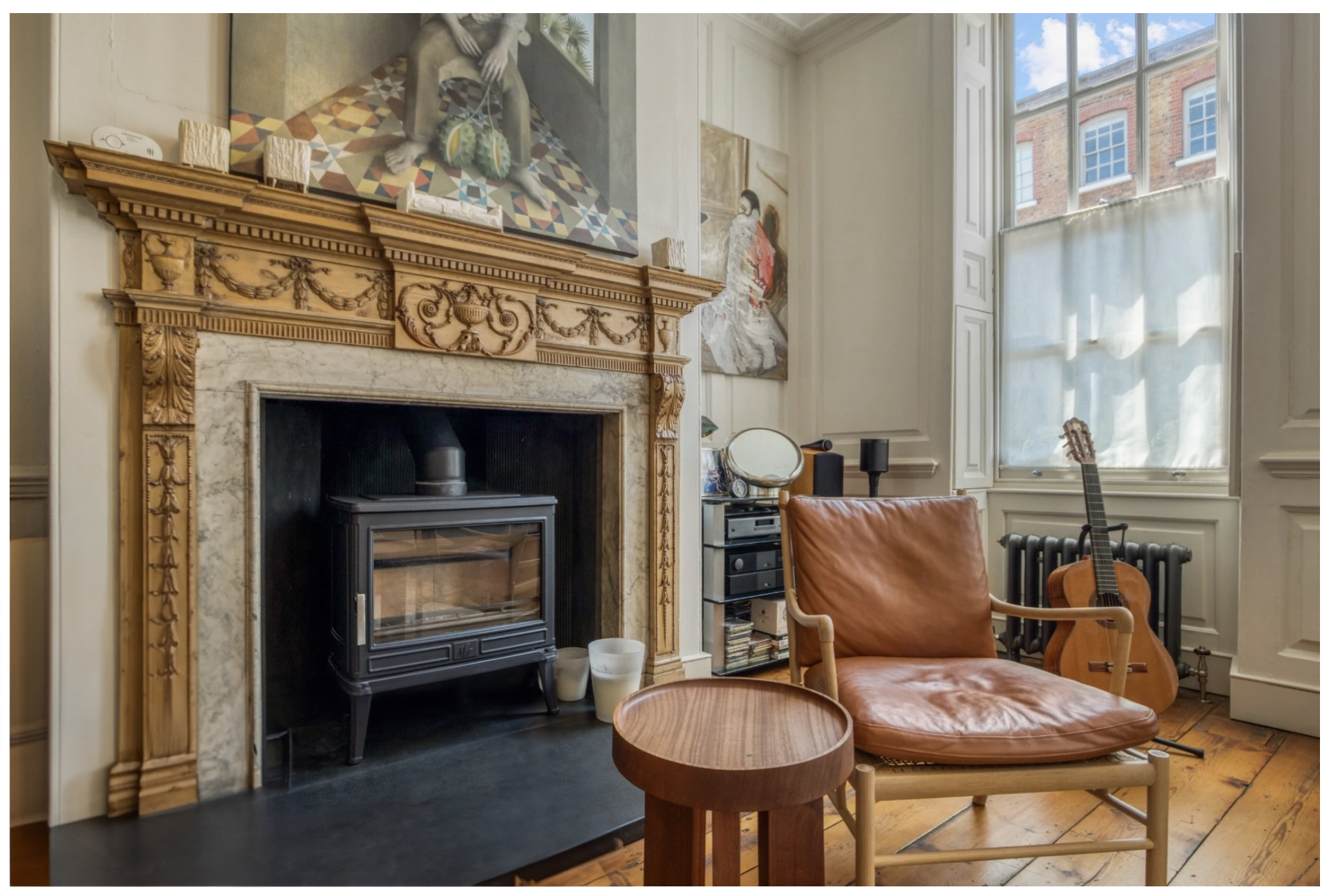
Engletons Estate Agents
With over 40 years of combined experience in London's prime property market, Engletons Estate Agents delivers expert local insight, bespoke marketing, and a highly personalised service. From the historic streets of Barnsbury and Clerkenwell to the vibrant communities of King's Cross and Islington, we help clients buy, sell, let, and invest with confidence.
Combining traditional estate agency values with modern marketing strategies, we are committed to achieving exceptional outcomes while providing a seamless experience from start to finish.
Independent. Experienced. Locally Connected.
Meet our Team
With over 40 years experience in the industry combined, our team are experts in their field

Sales & Marketing Manager

Property Manager

Property Consultant

Partner Agent
Latest Articles
Stay up to date with our latest news, tips and tricks.
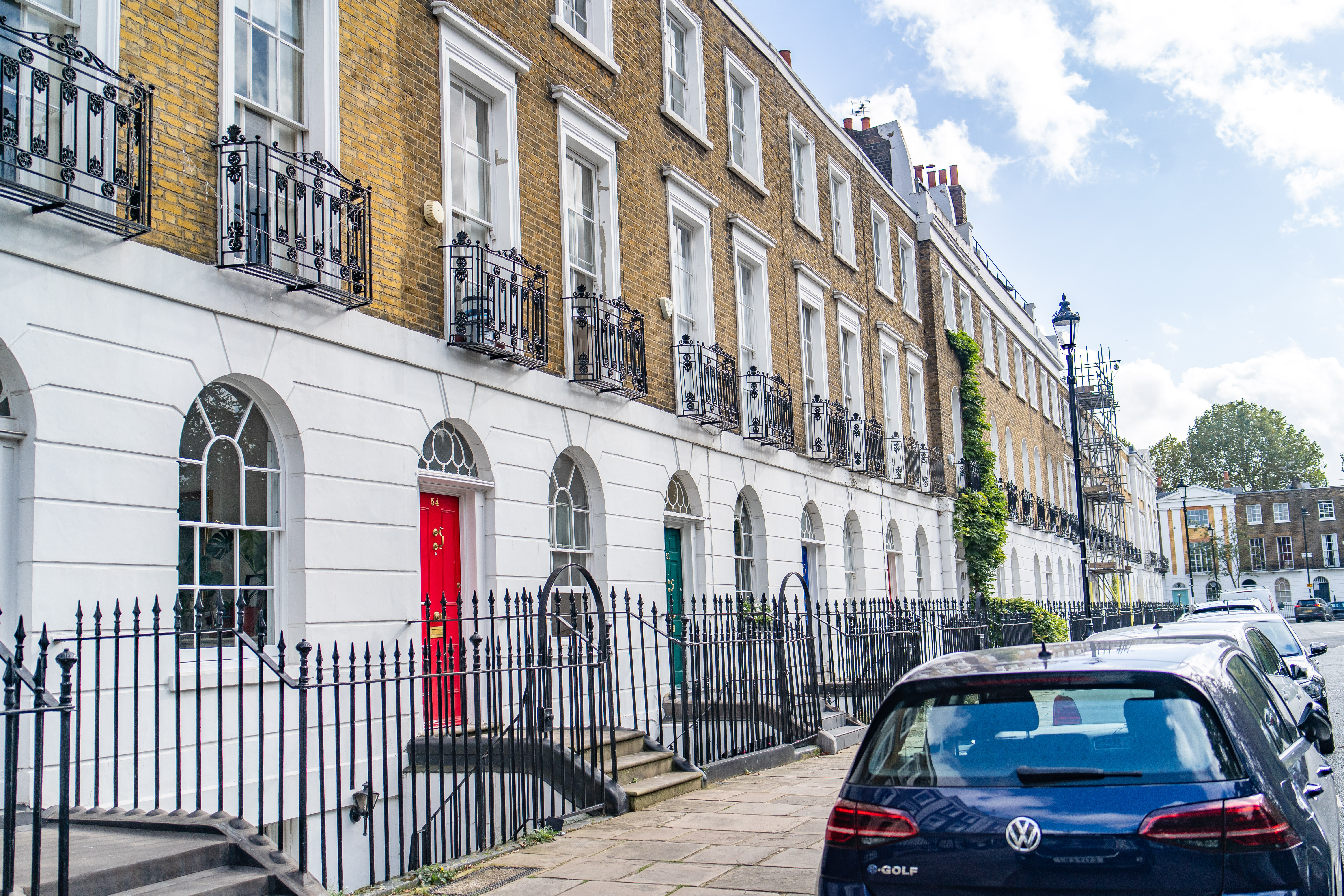
Sep 22, 2026
Islington’s Prime Property Market: A Long-Term Story of Growth
Islington has long been one of London’s most distinctive residential markets. From the elegant Georgian terraces of Barnsbury and Canonbury to period conversions, contemporary apartments and individual homes around Angel, the area attracts buyers looking for character, location and the lifestyle that comes with living in N1. The latest market data provides an interesting perspective on just how strongly Islington’s prime property market has performed over the longer term. According to Dataloft by PriceHubble, prime property prices in Islington N1 have increased by 23.6% over the past 10 years and an impressive 178.3% over the past 20 years.* Those figures help put today's market into perspective. While short-term market conditions naturally fluctuate, Islington's longer-term performance demonstrates why N1 continues to occupy such an important position within the London property market. What is considered a prime property in Islington? For the purposes of the Dataloft research, the prime market represents the top 25% of the local property market. In Islington, however, prime property cannot necessarily be defined by price alone. Location, architecture, condition, outside space, interior design, plot, outlook and even the particular street can all have a significant impact on a property's value. A beautifully restored Georgian house in Barnsbury may appeal to a very different buyer from a design-led apartment close to Angel, yet both can sit within Islington's prime market. This is one of the reasons why an accurate property valuation in Islington requires more than applying an average price per square foot. Understanding the nuances of individual streets and the characteristics buyers are prepared to pay a premium for is particularly important at the upper end of the market. Prime Islington prices have risen 23.6% in a decade Over the past 10 years, prime sales prices across Islington N1 have increased by 23.6% on a price-per-square-foot basis. This period has included considerable change in the wider property market, from Brexit and the pandemic to changing mortgage rates, taxation and shifting buyer priorities. Against that background, the longer-term increase provides useful context for homeowners considering the current value of their property. It also highlights why looking exclusively at what happened to prices over the last six or twelve months can provide an incomplete picture. For homeowners thinking about selling, a professional house valuation in Islington or flat valuation in Islington should consider recent comparable transactions alongside the property's longer-term market position. 178.3% growth over 20 years Look back over two decades and the change becomes considerably more pronounced. Dataloft's figures show that prime sales prices in Islington N1 have risen by 178.3% over the past 20 years. In simple terms, a prime market that has changed substantially over two decades continues to attract buyers prepared to pay a premium for the right home. Part of Islington's enduring appeal is its combination of central London accessibility and neighbourhood character. Period architecture sits alongside independent shops, restaurants, cafés and established residential streets, while the City and West End remain within easy reach. [caption id="attachment_374" align="alignnone" width="640"] Gibson-Square-Islington[/caption] A £5.65 million high point The upper end of the market remains capable of achieving substantial values. According to the latest data, the highest recorded sale price within the Islington N1 prime market over the last 12 months was £5.65 million. At this level of the market, there can be considerable variation between individual properties. Architecture, width, floor area, garden size, specification, condition and micro-location can materially influence the final price. It is also a market where presentation and positioning become particularly important. A distinctive Islington home should not simply be placed online alongside hundreds of competing listings. Its architecture, design and lifestyle need to be communicated properly through photography, property films, considered descriptions and targeted digital marketing. Only 26.9% of households own their home Another particularly interesting statistic is the level of home ownership. The data shows that 26.9% of households in the area own their own home, based on Census 2021 information. That helps illustrate the unusual composition of the Islington property market. N1 contains a substantial rental sector alongside owner-occupied homes, leasehold apartments and a more limited supply of individual houses. For both estate agents in Islington and local homeowners, understanding this mix matters. The market for a Georgian family house, for example, behaves differently from the market for a modern two-bedroom apartment or investment property. [caption id="attachment_325" align="alignnone" width="640"] Thornhill Road in Barsnbury, London one of the most beautiful roads in Islington[/caption] What does this mean for Islington homeowners? The figures provide useful evidence of Islington's long-term price growth, but they should not be interpreted as meaning every N1 property has increased in value by the same amount. Property markets are highly specific. Two homes on neighbouring streets can achieve very different prices depending on their architecture, condition, size, tenure, outside space and presentation. Even two properties within the same building can perform differently because of floor level, aspect or specification. This is particularly relevant in today's market, where buyers have access to more information than ever and are often highly selective about what represents value. For sellers, pricing correctly from the outset remains one of the most important elements of a successful marketing campaign. Thinking of selling a prime property in Islington? At Engletons, we believe exceptional homes require individual marketing strategies. As independent property agents in Islington, our approach combines local market knowledge with professional photography, presenter-led property films, lifestyle-led descriptions, digital brochures, targeted social media marketing and exposure across the major property portals. Whether you own a Georgian townhouse in Barnsbury, a period conversion in Canonbury, an apartment near Angel or another distinctive Islington property, understanding where your home sits within today's market is the first step. If you are considering selling, moving or simply want to understand how the value of your property has changed, speak to Engletons Estate Agents for a property valuation in Islington. Independent by Choice. Exceptional by Design....
Sep 16, 2026
Camden Passage, Islington: Antiques, Independent Shops and Local Character in the Heart of Angel
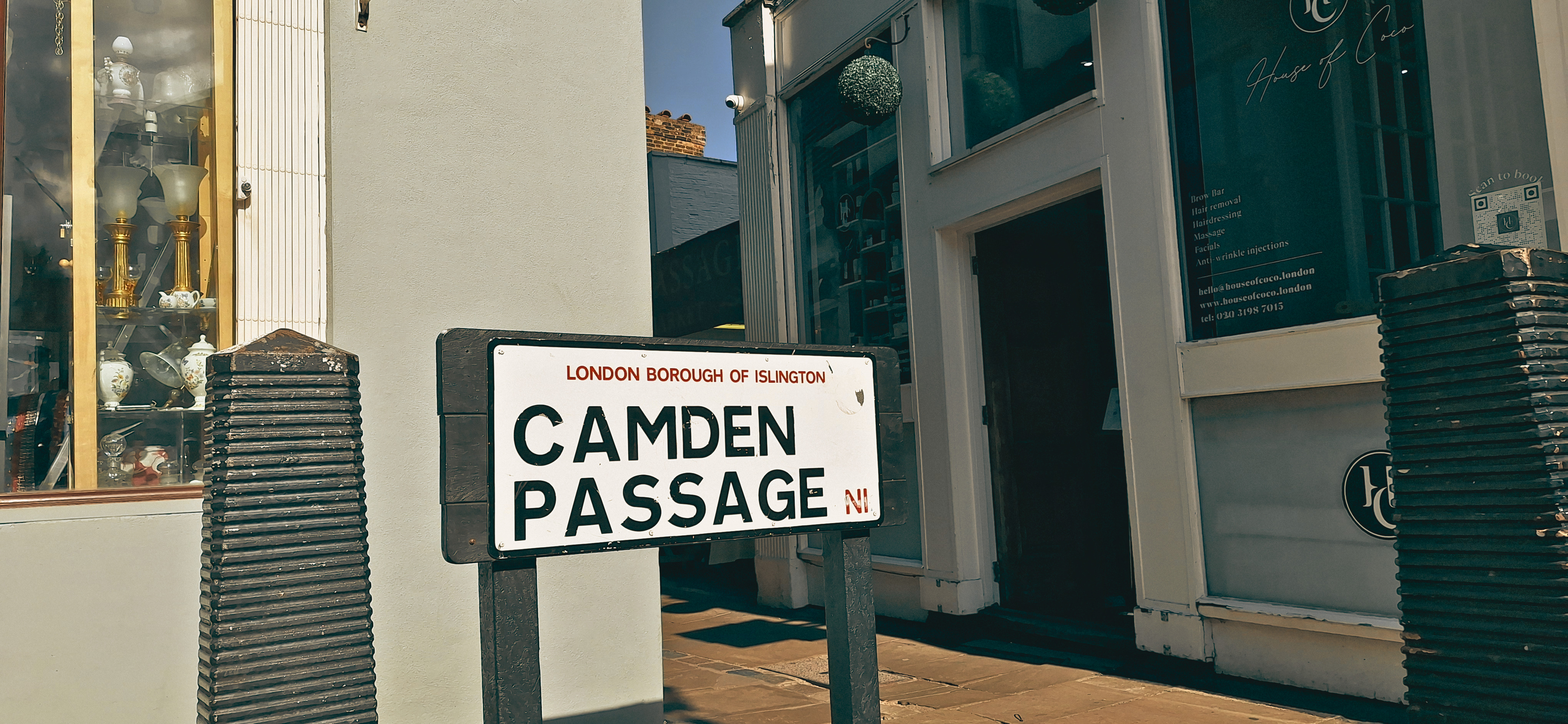
Tucked just behind the bustle of Upper Street, Camden Passage is one of those places that captures what makes Islington so distinctive. A pedestrianised network of narrow streets and historic buildings, it brings together antiques, vintage finds, independent boutiques, cafés, restaurants and market stalls within one of Angel’s most characterful corners. And despite the name, Camden Passage has nothing to do with Camden Market or Camden Town. This is firmly part of Islington, sitting just moments from Angel Underground station and offering a very different experience from many of London’s larger shopping destinations. [caption id="attachment_366" align="alignnone" width="640"] Camden Passage, one of Islington's best-known destinations for independent shops, cafés and antiques.[/caption] A Piece of Islington History The history of Camden Passage can be seen in the buildings that line its narrow pedestrian streets, many of which date back to the early 18th century. Islington Council identifies the wider Angel and Upper Street area as having a distinctive historic character shaped by buildings from the 17th through to the 20th centuries, with Camden Passage itself recognised for its intimate scale and long association with antiques. Its reputation as an antiques destination began to develop in the 1950s, when Camden Passage emerged alongside places such as Portobello Road, Kensington Church Street and Spitalfields as one of London's notable centres for antique dealers and collectors. Over the decades, the area has evolved. Antiques remain an important part of its identity, but they now sit alongside contemporary fashion, jewellery, homeware, independent food businesses and places to eat and drink. That combination of old and new is a large part of Camden Passage's appeal. One of London's Best-Known Antiques Destinations [caption id="attachment_367" align="alignnone" width="640"] Camden Passage, one of Islington's best-known destinations for independent shops, cafés and antiques.[/caption] For anyone interested in antiques, vintage pieces or interiors, Camden Passage remains well worth exploring. The outdoor markets feature everything from antique and vintage jewellery to clothing, collectables, decorative objects and one-off pieces for the home. The principal market days are Wednesday and Saturday, although some stalls may also trade on other days and opening times can vary. There are several distinct market areas around the Passage, including Camden Passage Market, Charlton Place Market and Pierrepont Arcade Market, each contributing to the atmosphere of the neighbourhood. One of the pleasures of visiting is that it doesn't feel like conventional shopping. You can browse without knowing exactly what you are looking for and stumble across a piece of jewellery, an old print, vintage clothing, ceramics, furniture or something completely unexpected. For collectors, interiors enthusiasts and anyone looking for something with a little more personality than the high street, that sense of discovery is difficult to replicate. More Than an Antiques Market [caption id="attachment_368" align="alignnone" width="640"] Camden Passage, one of Islington's best-known destinations for independent shops, cafés and antiques.[/caption] Camden Passage today is much more than its antiques heritage. Independent boutiques selling contemporary clothing, jewellery, gifts and homewares have become part of the mix, alongside specialist food shops, coffee spots and restaurants. The official Camden Passage directory now spans categories including antiques and collectables, art and culture, fashion, food and drink, health and beauty, and home and gifts. It makes the area particularly enjoyable at weekends. A morning spent browsing the stalls can easily turn into coffee, lunch and a wander along Upper Street. Unlike a shopping centre where almost every brand can be found somewhere else, Camden Passage retains an individual identity. Many of its shops occupy smaller historic premises, giving each business its own character and helping the Passage maintain the feeling of an established neighbourhood rather than simply a retail destination. Life Around Angel and Upper Street Location is another reason Camden Passage works so well. Step out of the Passage and you are almost immediately on Upper Street, with its restaurants, bars, theatres, shops and cafés. Angel Underground station on the Northern line is nearby, while King's Cross, the City and central London are all within easy reach. The Almeida Theatre, Sadler's Wells, King's Head Theatre and other cultural destinations are also within walking distance, adding to the area's appeal for people who want a neighbourhood with plenty happening close to home. Yet Camden Passage itself feels noticeably removed from the traffic of the surrounding roads. Its pedestrianised setting and intimate scale create a calmer pocket within one of London's busiest inner neighbourhoods. Why Places Like Camden Passage Matter to Islington Property For us at Engletons, Camden Passage represents something important about Islington Property. When people choose a home in Islington, they are rarely buying on bricks and mortar alone. The streets surrounding a property, independent businesses, places to meet friends, local restaurants, architecture and sense of community all form part of the decision. Areas around Angel and Camden Passage offer precisely that kind of lifestyle. Period houses, converted apartments and purpose-built flats sit alongside some of London's best-known streets for independent food, shopping and culture. Being able to walk to places such as Camden Passage, Upper Street and Islington Green is part of what continues to make this corner of N1 attractive to buyers and tenants. It is also why two seemingly similar properties can attract very different levels of interest depending on their exact position within the neighbourhood. As local estate agents in Islington, understanding those individual pockets is an important part of accurately presenting and valuing a home. A Local Destination Worth Rediscovering Perhaps Camden Passage's greatest strength is that it works on several levels. For visitors, it is a fascinating alternative to London's larger markets. For collectors, it remains an established antiques destination. For residents, it is simply part of everyday Islington life, somewhere to buy a gift, meet for coffee, browse on a Saturday morning or stop for lunch. And for anyone considering moving to the area, it offers a glimpse of the lifestyle that continues to make Angel and Islington such enduringly popular places to live. Camden Passage has changed considerably since its antiques scene first became established in the 1950s, but its independent spirit remains. That combination of history, individuality and neighbourhood life is difficult to manufacture. In Camden Passage, it has developed naturally over generations. Thinking of moving in Islington? If you're considering selling, letting or simply want to understand what your home may be worth in today's market, Engletons can provide a detailed property valuation in Islington based on your property, location and current buyer demand. Engletons Estate Agents30 Penton Street, Islington, London N1 9PSIndependent by Choice. Exceptional by Design. Explore Camden Passage...
Sep 3, 2026
Why Have Flat Prices Underperformed Houses Since 2016?
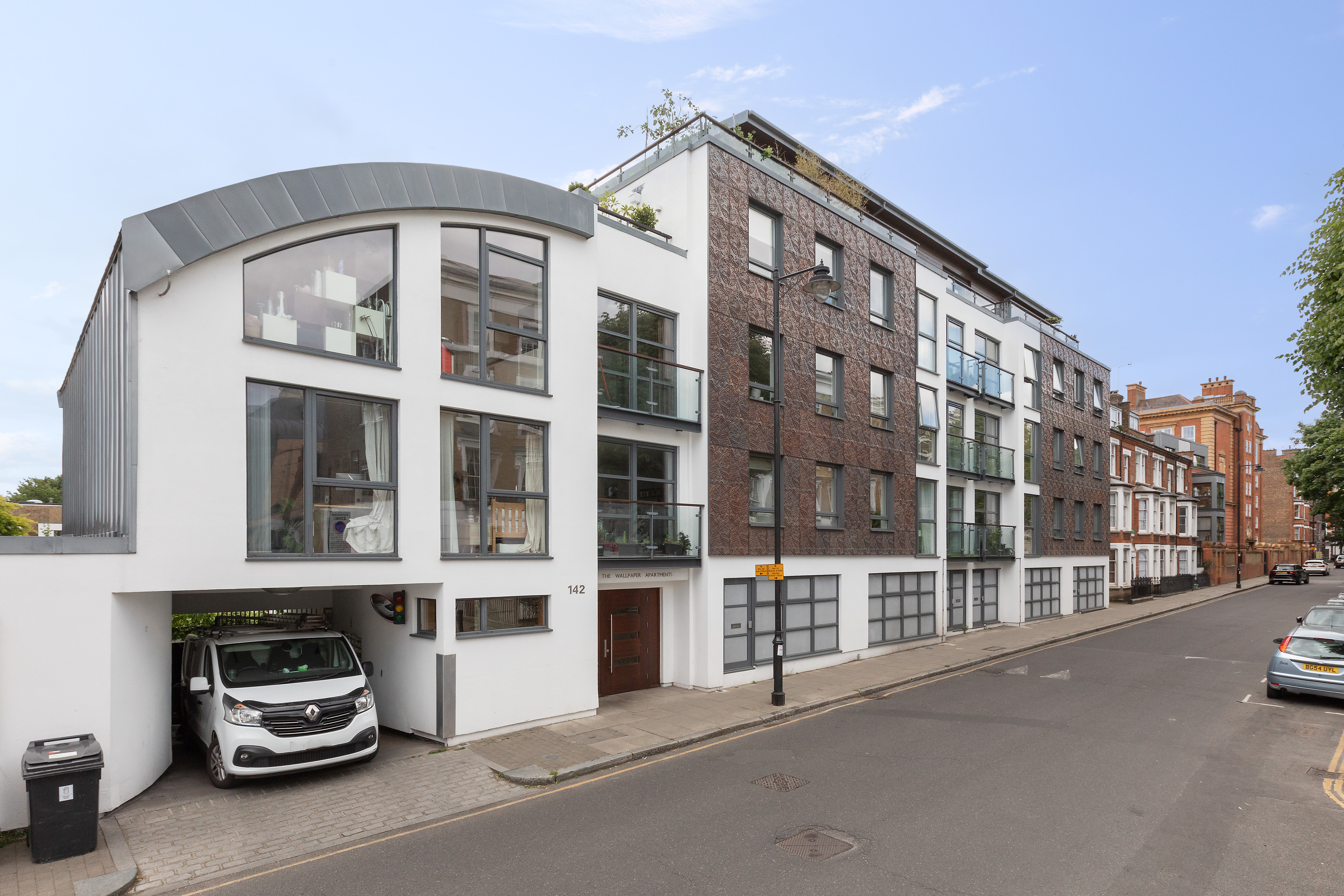
Over the past decade, the UK property market has developed an increasingly noticeable divide between the performance of flats and houses. According to analysis from Dataloft by PriceHubble using Nationwide House Price data, average flat prices have risen by just 16% since 2016, compared with 39% for terraced homes and 44% for semi-detached properties. That is a significant difference, but there is no single explanation for why flats have underperformed. Instead, a combination of tax changes, regulation, changing buyer priorities and the costs associated with apartment ownership has gradually reshaped demand. For buyers looking at Islington Property, however, that divergence may also be creating opportunities. The changing buy-to-let market One of the first noticeable shifts in flat price performance coincided with changes to Stamp Duty Land Tax in 2016. The introduction of the additional stamp duty surcharge on second homes and investment properties increased the cost of purchasing buy-to-let properties. Flats traditionally represented a significant part of the investment market, particularly in London and other major cities. Further tax and regulatory changes affecting landlords followed, increasing the financial and administrative pressures associated with owning investment property. As some landlords began leaving the sector, investor demand for flats weakened. In markets such as Islington, where apartments make up a substantial proportion of available housing, changes in investor sentiment can have a particularly noticeable effect on activity. The impact of the building safety crisis At around the same time, another issue began affecting parts of the apartment market. Following the emergence of concerns around combustible cladding and building safety, some owners of flats in taller residential buildings found it difficult to sell or remortgage their properties without the necessary fire-safety documentation. The introduction of requirements such as EWS1 assessments added additional complexity to certain transactions. Importantly, these issues did not affect every apartment building. However, uncertainty surrounding building safety was significant enough to influence confidence across parts of the wider flat market. For anyone considering buying an apartment today, understanding the construction, building management and relevant fire-safety documentation remains an important part of the due diligence process. The pandemic and the "race for space" A second major shift occurred during and immediately after the pandemic. With people spending considerably more time at home, buyers increasingly prioritised: Additional bedrooms Home-working space Private gardens Balconies and terraces Larger living areas Access to parks and green spaces The resulting "race for space" benefited houses, particularly suburban and family properties. Flats without meaningful outside space were often less attractive by comparison. While some of these priorities have since moderated, the pandemic permanently changed how many buyers think about their homes. In areas such as Islington, however, location remains an important counterbalance. Apartments close to Angel, Upper Street, Clerkenwell, King's Cross and the City continue to offer something houses further from central London cannot easily replicate: convenience and connectivity. Rising service charges and leasehold considerations Another factor affecting the flat market has been the rising cost of owning some leasehold properties. Service charges can vary enormously between developments, and buildings offering concierge services, lifts, communal facilities, landscaped grounds or extensive maintenance can carry substantial annual costs. Potential purchasers are increasingly scrutinising these charges before making an offer. Lease length, ground rent provisions, major works and the financial position of the managing agent or freeholder can also affect both mortgageability and future resale value. This means two seemingly similar apartments on the same street can perform very differently depending on the underlying lease and building management. For buyers researching property agents in Islington, local knowledge becomes particularly valuable when comparing different developments and understanding which factors may affect future demand. Flats are becoming relatively more affordable Although slower price growth will be disappointing for some existing owners, there is another side to the story. Flats have become relatively more affordable compared with houses. With average prices having increased by around 16% since 2016, compared with 39% for terraces and 44% for semi-detached homes, the price gap between different property types has widened considerably. That could create opportunities for first-time buyers, downsizers and investors who previously found certain locations unaffordable. Rather than stretching their budget for a house further away, some purchasers may find they can now secure a well-located apartment within established central London neighbourhoods. Not all flats perform the same National averages are useful for identifying trends, but they cannot tell the whole story. The performance of an individual flat can depend on numerous factors, including: Location Length of lease Service charges Ground rent Building condition Managing agent Upcoming major works Building safety documentation Floor level Natural light Outside space Size and layout Transport connections A well-presented period conversion with a long lease, low service charges and access to a garden is a very different proposition from an apartment in a large development with substantial annual running costs. This is particularly relevant when assessing the Islington Property market, where Victorian and Georgian conversions sit alongside mansion blocks, purpose-built apartments and modern developments. Could flats offer better value in 2026? For buyers willing to undertake careful research, the relative underperformance of flats may represent an opportunity. After years in which houses have pulled significantly ahead, buyers can potentially access locations, space or quality that would otherwise sit outside their budget. The important question is not simply whether flats will start outperforming houses again. It is whether a particular property represents good value relative to its location, condition, running costs and long-term buyer appeal. That requires looking beyond the asking price. Thinking of buying or selling a flat in Islington? Understanding how an individual property fits within the wider market is increasingly important. If you own an apartment and would like to understand how its value has changed, Engletons can provide a flat valuation in Islington based on recent comparable sales, current competition and local buyer demand. We also provide property valuation in Islington and house valuation in Islington for homeowners considering their next move. As independent estate agents in Islington, our team combines detailed local market knowledge with bespoke property marketing designed to position each home individually rather than relying solely on wider market averages. Whether you are selling, buying, letting or require Property management in Islington, speak to Engletons Estate Agents for a clearer understanding of the local market. Independent by Choice. Exceptional by Design. Source: Dataloft by PriceHubble, Nationwide House Price data....

Aug 18, 2026
UK Property Buying Reform: What the Government’s New Plans Could Mean for Buyers, Sellers and Estate Agents
In June 2026, the UK Government published its Home Buying and Selling Reform Roadmap, setting out plans to modernise a property transaction system that has long been criticised for delays, duplication and uncertainty. According to the Government, the current process takes around 120 days on average to complete, while approximately one in three transactions fails before reaching completion. The Government believes its reforms could eventually reduce transaction times by around four weeks and significantly reduce the number of collapsed sales. For homeowners considering selling a property in Islington or elsewhere in London, the biggest change is likely to be a shift towards preparing much more information before a property is placed on the market, rather than waiting until a buyer has been found. Here is what we know so far. 1. More Property Information Before a Home Goes on the Market One of the central themes of the reform is upfront property information. At present, a considerable amount of legal and property information is gathered after an offer has been accepted. The Government wants to move much of this work to the beginning of the transaction. The roadmap states that, when parliamentary time allows, the Government intends to introduce legislation requiring a sales pack to be prepared before a property is listed for sale. The proposed information could include items such as searches and a property condition report, alongside other relevant information about the property. For sellers, this could mean that instructing an estate agent becomes the beginning of a more comprehensive "sale ready" process. Instead of: Instruction → Marketing → Offer → Legal information gathered the process could increasingly become: Instruction → Property information prepared → Marketing → Offer → Conveyancing progresses The objective is straightforward: allow buyers to understand more about a property before committing to it and reduce surprises later in the transaction. 2. Digital Property Packs and Property Logbooks The Government also wants digital property logbooks and sales packs to become a standard feature of property transactions. A digital property logbook would effectively create a secure digital record containing important information relating to a home. The Government has confirmed its intention to legislate for digital logbooks and sales packs to become standard parts of property transactions when parliamentary time allows. It also intends to establish minimum standardised data requirements. This could potentially bring together information from sources such as Land Registry records and other property data into a more structured digital environment. The longer-term vision is a property transaction where estate agents, conveyancers, buyers, sellers and other authorised professionals can access verified information more efficiently instead of repeatedly requesting the same documents. For a complex London property market, particularly where leasehold apartments are common, improved access to accurate information at the beginning of a transaction could be particularly valuable. 3. Property Listings Are Expected to Become More Detailed Estate agents are already legally responsible for ensuring consumers receive material information they need to make informed decisions. The Government has been reviewing how clearer guidance can help agents meet those responsibilities under the Digital Markets, Competition and Consumers Act 2024. The Government's 2026 roadmap includes plans for non-statutory guidance aimed at improving the quality of information contained within property listings. This reinforces an important direction for the industry. Property particulars are increasingly becoming more than simply a marketing description, photographs, floorplan and asking price. Agents will need robust systems for collecting, verifying and presenting important property information as early as possible. For sellers, choosing an estate agent capable of managing both the marketing and information-gathering process could therefore become increasingly important. 4. Estate Agents Could Face Mandatory Qualifications Another significant proposal concerns the professionalisation of estate agency. The Government intends to introduce a Code of Practice for property agents and plans to consult in 2027 on mandatory qualifications for estate and letting agents. Subject to the outcome of that consultation, legislation could subsequently introduce qualification requirements. This would represent an important development for an industry where there is currently no universal requirement for an estate agent to hold a formal professional qualification before practising. For consumers, the objective is to provide greater confidence around professional standards, competence and accountability. For estate agencies themselves, training, compliance, record keeping and professional development are likely to become increasingly important parts of operating a modern agency. 5. Earlier Binding Agreements Could Reduce Fall-Throughs One of the biggest frustrations with the existing system in England and Wales is that an accepted offer does not generally make the transaction legally binding. A buyer or seller can therefore withdraw relatively late in the process, potentially after both parties have spent considerable amounts on legal work, surveys and mortgage arrangements. The Government ultimately wants to introduce binding conditional contracts once the new sales pack system has become established. The intention is to create greater commitment earlier in the transaction while still allowing withdrawals in defined circumstances. The Government will work with the property industry on appropriate exceptions, penalties and mechanisms before such a system is introduced. If implemented successfully, this could be one of the most significant changes to the home-moving process. 6. Digital ID and Streamlined AML Checks Anyone who has recently purchased or sold a property will probably be familiar with completing identification and anti-money laundering checks several times. The estate agent may conduct checks, followed by the conveyancer, mortgage provider and potentially other professionals. The Government's consultation found strong support for reducing this duplication, with 83% of respondents supporting streamlined AML checks. The roadmap therefore supports greater use of digital identity technology and industry-led solutions that allow checks to be shared or reused securely where appropriate. For consumers, this could mean fewer repetitive requests for identification documents. For estate agents and conveyancers, it could make compliance more efficient while maintaining the safeguards required to prevent financial crime. 7. Greater Transparency When Choosing an Estate Agent The reforms are not limited to the mechanics of conveyancing. The Government also wants consumers to have better information when choosing property professionals. Proposals have considered making information available about factors such as an agent's professional specialisms, service, performance and adoption of digital processes. An advisory Home Buying and Selling Charter is planned for 2027 to establish expectations and behaviours for property professionals. This could gradually make measurable service standards more important when homeowners compare estate agents. For established local agencies, this presents an opportunity to demonstrate expertise through service quality, local market knowledge, marketing standards and transaction management rather than competing primarily on fees. What Is Changing and When? It is important to distinguish between reforms being introduced now and measures that still require consultation or legislation. During 2026, the Government's roadmap includes improved guidance on property listing information, voluntary upfront sales information, a non-statutory Code of Practice for property agents and further work on digitalisation. During 2027 and 2028, the Government plans further consultation on mandatory estate and letting agent qualifications, increased adoption of digital ID and property logbooks, an advisory industry Charter and further work surrounding binding agreements. Later, when parliamentary time allows, the Government intends to legislate for mandatory sales packs before properties are listed, digital property logbooks and packs, and eventually binding conditional contracts. The exact implementation dates and final requirements may therefore change as the reforms progress. What Could This Mean for Sellers? Perhaps the biggest practical change will be the need to start preparing for a sale earlier. Traditionally, some sellers instruct an estate agent and expect their property to be photographed and placed online almost immediately. The future process could require considerably more preparation. Documents, title information, property details, searches and potentially condition information may increasingly need to be organised before marketing begins. For homeowners thinking about selling, speaking to an estate agent earlier could therefore become increasingly valuable. A well-prepared property should be easier for buyers to assess, easier for solicitors to progress and potentially less likely to encounter unexpected problems once an offer has been agreed. What Could This Mean for the Islington Property Market? The reforms could be particularly relevant to the Islington property market. Islington contains an exceptionally diverse range of homes, from Georgian and Victorian houses to converted apartments, purpose-built blocks and modern developments. Leasehold ownership is also common, which can introduce additional documentation relating to service charges, ground rent, managing agents, major works and building management. Obtaining this information early could help buyers understand exactly what they are purchasing before making a commitment. For estate agents in Islington, the role could consequently become broader. The best agents will not simply market a property and negotiate an offer. They will increasingly need to coordinate information, technology, compliance, marketing and transaction progression from the very beginning. Preparing Your Property for the Future of Home Buying Although many of the Government's proposals will take several years to implement fully, the direction of travel is already clear. The UK property market is moving towards: more information upfront, greater digitalisation, stronger professional standards and earlier commitment between buyers and sellers. At Engletons, we believe preparation should begin well before a property appears on the major property portals. From understanding the local market and establishing the right pricing strategy to preparing the property, gathering relevant information and creating a comprehensive marketing campaign, a successful sale starts with getting the foundations right. If you are considering selling and would like a property valuation in Islington, flat valuation in Islington or house valuation in Islington, speak to the Engletons team. As independent property agents in Islington, we can advise you on the current market, your property's likely value and how to prepare your home for a successful launch. Thinking about selling your Islington property? Contact Engletons to arrange a property valuation and start preparing your property for the market. This article is based on the UK Government's Home Buying and Selling Reform Roadmap published in June 2026. Several measures discussed are proposals or future legislative intentions and are not yet legal requirements. Details and implementation dates may change as consultations and legislation progress....
Sep 22, 2026
Islington’s Prime Property Market: A Long-Term Story of Growth
Islington has long been one of London’s most distinctive residential markets. From the elegant Georgian terraces of Barnsbury and Canonbury to period conversions, contemporary apartments and individual homes around Angel, the area attracts buyers looking for character, location and the lifestyle that comes with living in N1. The latest market data provides an interesting perspective on just how strongly Islington’s prime property market has performed over the longer term. According to Dataloft by PriceHubble, prime property prices in Islington N1 have increased by 23.6% over the past 10 years and an impressive 178.3% over the past 20 years.* Those figures help put today's market into perspective. While short-term market conditions naturally fluctuate, Islington's longer-term performance demonstrates why N1 continues to occupy such an important position within the London property market. What is considered a prime property in Islington? For the purposes of the Dataloft research, the prime market represents the top 25% of the local property market. In Islington, however, prime property cannot necessarily be defined by price alone. Location, architecture, condition, outside space, interior design, plot, outlook and even the particular street can all have a significant impact on a property's value. A beautifully restored Georgian house in Barnsbury may appeal to a very different buyer from a design-led apartment close to Angel, yet both can sit within Islington's prime market. This is one of the reasons why an accurate property valuation in Islington requires more than applying an average price per square foot. Understanding the nuances of individual streets and the characteristics buyers are prepared to pay a premium for is particularly important at the upper end of the market. Prime Islington prices have risen 23.6% in a decade Over the past 10 years, prime sales prices across Islington N1 have increased by 23.6% on a price-per-square-foot basis. This period has included considerable change in the wider property market, from Brexit and the pandemic to changing mortgage rates, taxation and shifting buyer priorities. Against that background, the longer-term increase provides useful context for homeowners considering the current value of their property. It also highlights why looking exclusively at what happened to prices over the last six or twelve months can provide an incomplete picture. For homeowners thinking about selling, a professional house valuation in Islington or flat valuation in Islington should consider recent comparable transactions alongside the property's longer-term market position. 178.3% growth over 20 years Look back over two decades and the change becomes considerably more pronounced. Dataloft's figures show that prime sales prices in Islington N1 have risen by 178.3% over the past 20 years. In simple terms, a prime market that has changed substantially over two decades continues to attract buyers prepared to pay a premium for the right home. Part of Islington's enduring appeal is its combination of central London accessibility and neighbourhood character. Period architecture sits alongside independent shops, restaurants, cafés and established residential streets, while the City and West End remain within easy reach. [caption id="attachment_374" align="alignnone" width="640"] Gibson-Square-Islington[/caption] A £5.65 million high point The upper end of the market remains capable of achieving substantial values. According to the latest data, the highest recorded sale price within the Islington N1 prime market over the last 12 months was £5.65 million. At this level of the market, there can be considerable variation between individual properties. Architecture, width, floor area, garden size, specification, condition and micro-location can materially influence the final price. It is also a market where presentation and positioning become particularly important. A distinctive Islington home should not simply be placed online alongside hundreds of competing listings. Its architecture, design and lifestyle need to be communicated properly through photography, property films, considered descriptions and targeted digital marketing. Only 26.9% of households own their home Another particularly interesting statistic is the level of home ownership. The data shows that 26.9% of households in the area own their own home, based on Census 2021 information. That helps illustrate the unusual composition of the Islington property market. N1 contains a substantial rental sector alongside owner-occupied homes, leasehold apartments and a more limited supply of individual houses. For both estate agents in Islington and local homeowners, understanding this mix matters. The market for a Georgian family house, for example, behaves differently from the market for a modern two-bedroom apartment or investment property. [caption id="attachment_325" align="alignnone" width="640"] Thornhill Road in Barsnbury, London one of the most beautiful roads in Islington[/caption] What does this mean for Islington homeowners? The figures provide useful evidence of Islington's long-term price growth, but they should not be interpreted as meaning every N1 property has increased in value by the same amount. Property markets are highly specific. Two homes on neighbouring streets can achieve very different prices depending on their architecture, condition, size, tenure, outside space and presentation. Even two properties within the same building can perform differently because of floor level, aspect or specification. This is particularly relevant in today's market, where buyers have access to more information than ever and are often highly selective about what represents value. For sellers, pricing correctly from the outset remains one of the most important elements of a successful marketing campaign. Thinking of selling a prime property in Islington? At Engletons, we believe exceptional homes require individual marketing strategies. As independent property agents in Islington, our approach combines local market knowledge with professional photography, presenter-led property films, lifestyle-led descriptions, digital brochures, targeted social media marketing and exposure across the major property portals. Whether you own a Georgian townhouse in Barnsbury, a period conversion in Canonbury, an apartment near Angel or another distinctive Islington property, understanding where your home sits within today's market is the first step. If you are considering selling, moving or simply want to understand how the value of your property has changed, speak to Engletons Estate Agents for a property valuation in Islington. Independent by Choice. Exceptional by Design....
Sep 16, 2026
Camden Passage, Islington: Antiques, Independent Shops and Local Character in the Heart of Angel
Tucked just behind the bustle of Upper Street, Camden Passage is one of those places that captures what makes Islington so distinctive. A pedestrianised network of narrow streets and historic buildings, it brings together antiques, vintage finds, independent boutiques, cafés, restaurants and market stalls within one of Angel’s most characterful corners. And despite the name, Camden Passage has nothing to do with Camden Market or Camden Town. This is firmly part of Islington, sitting just moments from Angel Underground station and offering a very different experience from many of London’s larger shopping destinations. [caption id="attachment_366" align="alignnone" width="640"] Camden Passage, one of Islington's best-known destinations for independent shops, cafés and antiques.[/caption] A Piece of Islington History The history of Camden Passage can be seen in the buildings that line its narrow pedestrian streets, many of which date back to the early 18th century. Islington Council identifies the wider Angel and Upper Street area as having a distinctive historic character shaped by buildings from the 17th through to the 20th centuries, with Camden Passage itself recognised for its intimate scale and long association with antiques. Its reputation as an antiques destination began to develop in the 1950s, when Camden Passage emerged alongside places such as Portobello Road, Kensington Church Street and Spitalfields as one of London's notable centres for antique dealers and collectors. Over the decades, the area has evolved. Antiques remain an important part of its identity, but they now sit alongside contemporary fashion, jewellery, homeware, independent food businesses and places to eat and drink. That combination of old and new is a large part of Camden Passage's appeal. One of London's Best-Known Antiques Destinations [caption id="attachment_367" align="alignnone" width="640"] Camden Passage, one of Islington's best-known destinations for independent shops, cafés and antiques.[/caption] For anyone interested in antiques, vintage pieces or interiors, Camden Passage remains well worth exploring. The outdoor markets feature everything from antique and vintage jewellery to clothing, collectables, decorative objects and one-off pieces for the home. The principal market days are Wednesday and Saturday, although some stalls may also trade on other days and opening times can vary. There are several distinct market areas around the Passage, including Camden Passage Market, Charlton Place Market and Pierrepont Arcade Market, each contributing to the atmosphere of the neighbourhood. One of the pleasures of visiting is that it doesn't feel like conventional shopping. You can browse without knowing exactly what you are looking for and stumble across a piece of jewellery, an old print, vintage clothing, ceramics, furniture or something completely unexpected. For collectors, interiors enthusiasts and anyone looking for something with a little more personality than the high street, that sense of discovery is difficult to replicate. More Than an Antiques Market [caption id="attachment_368" align="alignnone" width="640"] Camden Passage, one of Islington's best-known destinations for independent shops, cafés and antiques.[/caption] Camden Passage today is much more than its antiques heritage. Independent boutiques selling contemporary clothing, jewellery, gifts and homewares have become part of the mix, alongside specialist food shops, coffee spots and restaurants. The official Camden Passage directory now spans categories including antiques and collectables, art and culture, fashion, food and drink, health and beauty, and home and gifts. It makes the area particularly enjoyable at weekends. A morning spent browsing the stalls can easily turn into coffee, lunch and a wander along Upper Street. Unlike a shopping centre where almost every brand can be found somewhere else, Camden Passage retains an individual identity. Many of its shops occupy smaller historic premises, giving each business its own character and helping the Passage maintain the feeling of an established neighbourhood rather than simply a retail destination. Life Around Angel and Upper Street Location is another reason Camden Passage works so well. Step out of the Passage and you are almost immediately on Upper Street, with its restaurants, bars, theatres, shops and cafés. Angel Underground station on the Northern line is nearby, while King's Cross, the City and central London are all within easy reach. The Almeida Theatre, Sadler's Wells, King's Head Theatre and other cultural destinations are also within walking distance, adding to the area's appeal for people who want a neighbourhood with plenty happening close to home. Yet Camden Passage itself feels noticeably removed from the traffic of the surrounding roads. Its pedestrianised setting and intimate scale create a calmer pocket within one of London's busiest inner neighbourhoods. Why Places Like Camden Passage Matter to Islington Property For us at Engletons, Camden Passage represents something important about Islington Property. When people choose a home in Islington, they are rarely buying on bricks and mortar alone. The streets surrounding a property, independent businesses, places to meet friends, local restaurants, architecture and sense of community all form part of the decision. Areas around Angel and Camden Passage offer precisely that kind of lifestyle. Period houses, converted apartments and purpose-built flats sit alongside some of London's best-known streets for independent food, shopping and culture. Being able to walk to places such as Camden Passage, Upper Street and Islington Green is part of what continues to make this corner of N1 attractive to buyers and tenants. It is also why two seemingly similar properties can attract very different levels of interest depending on their exact position within the neighbourhood. As local estate agents in Islington, understanding those individual pockets is an important part of accurately presenting and valuing a home. A Local Destination Worth Rediscovering Perhaps Camden Passage's greatest strength is that it works on several levels. For visitors, it is a fascinating alternative to London's larger markets. For collectors, it remains an established antiques destination. For residents, it is simply part of everyday Islington life, somewhere to buy a gift, meet for coffee, browse on a Saturday morning or stop for lunch. And for anyone considering moving to the area, it offers a glimpse of the lifestyle that continues to make Angel and Islington such enduringly popular places to live. Camden Passage has changed considerably since its antiques scene first became established in the 1950s, but its independent spirit remains. That combination of history, individuality and neighbourhood life is difficult to manufacture. In Camden Passage, it has developed naturally over generations. Thinking of moving in Islington? If you're considering selling, letting or simply want to understand what your home may be worth in today's market, Engletons can provide a detailed property valuation in Islington based on your property, location and current buyer demand. Engletons Estate Agents30 Penton Street, Islington, London N1 9PSIndependent by Choice. Exceptional by Design. Explore Camden Passage...
Sep 3, 2026
Why Have Flat Prices Underperformed Houses Since 2016?
Over the past decade, the UK property market has developed an increasingly noticeable divide between the performance of flats and houses. According to analysis from Dataloft by PriceHubble using Nationwide House Price data, average flat prices have risen by just 16% since 2016, compared with 39% for terraced homes and 44% for semi-detached properties. That is a significant difference, but there is no single explanation for why flats have underperformed. Instead, a combination of tax changes, regulation, changing buyer priorities and the costs associated with apartment ownership has gradually reshaped demand. For buyers looking at Islington Property, however, that divergence may also be creating opportunities. The changing buy-to-let market One of the first noticeable shifts in flat price performance coincided with changes to Stamp Duty Land Tax in 2016. The introduction of the additional stamp duty surcharge on second homes and investment properties increased the cost of purchasing buy-to-let properties. Flats traditionally represented a significant part of the investment market, particularly in London and other major cities. Further tax and regulatory changes affecting landlords followed, increasing the financial and administrative pressures associated with owning investment property. As some landlords began leaving the sector, investor demand for flats weakened. In markets such as Islington, where apartments make up a substantial proportion of available housing, changes in investor sentiment can have a particularly noticeable effect on activity. The impact of the building safety crisis At around the same time, another issue began affecting parts of the apartment market. Following the emergence of concerns around combustible cladding and building safety, some owners of flats in taller residential buildings found it difficult to sell or remortgage their properties without the necessary fire-safety documentation. The introduction of requirements such as EWS1 assessments added additional complexity to certain transactions. Importantly, these issues did not affect every apartment building. However, uncertainty surrounding building safety was significant enough to influence confidence across parts of the wider flat market. For anyone considering buying an apartment today, understanding the construction, building management and relevant fire-safety documentation remains an important part of the due diligence process. The pandemic and the "race for space" A second major shift occurred during and immediately after the pandemic. With people spending considerably more time at home, buyers increasingly prioritised: Additional bedrooms Home-working space Private gardens Balconies and terraces Larger living areas Access to parks and green spaces The resulting "race for space" benefited houses, particularly suburban and family properties. Flats without meaningful outside space were often less attractive by comparison. While some of these priorities have since moderated, the pandemic permanently changed how many buyers think about their homes. In areas such as Islington, however, location remains an important counterbalance. Apartments close to Angel, Upper Street, Clerkenwell, King's Cross and the City continue to offer something houses further from central London cannot easily replicate: convenience and connectivity. Rising service charges and leasehold considerations Another factor affecting the flat market has been the rising cost of owning some leasehold properties. Service charges can vary enormously between developments, and buildings offering concierge services, lifts, communal facilities, landscaped grounds or extensive maintenance can carry substantial annual costs. Potential purchasers are increasingly scrutinising these charges before making an offer. Lease length, ground rent provisions, major works and the financial position of the managing agent or freeholder can also affect both mortgageability and future resale value. This means two seemingly similar apartments on the same street can perform very differently depending on the underlying lease and building management. For buyers researching property agents in Islington, local knowledge becomes particularly valuable when comparing different developments and understanding which factors may affect future demand. Flats are becoming relatively more affordable Although slower price growth will be disappointing for some existing owners, there is another side to the story. Flats have become relatively more affordable compared with houses. With average prices having increased by around 16% since 2016, compared with 39% for terraces and 44% for semi-detached homes, the price gap between different property types has widened considerably. That could create opportunities for first-time buyers, downsizers and investors who previously found certain locations unaffordable. Rather than stretching their budget for a house further away, some purchasers may find they can now secure a well-located apartment within established central London neighbourhoods. Not all flats perform the same National averages are useful for identifying trends, but they cannot tell the whole story. The performance of an individual flat can depend on numerous factors, including: Location Length of lease Service charges Ground rent Building condition Managing agent Upcoming major works Building safety documentation Floor level Natural light Outside space Size and layout Transport connections A well-presented period conversion with a long lease, low service charges and access to a garden is a very different proposition from an apartment in a large development with substantial annual running costs. This is particularly relevant when assessing the Islington Property market, where Victorian and Georgian conversions sit alongside mansion blocks, purpose-built apartments and modern developments. Could flats offer better value in 2026? For buyers willing to undertake careful research, the relative underperformance of flats may represent an opportunity. After years in which houses have pulled significantly ahead, buyers can potentially access locations, space or quality that would otherwise sit outside their budget. The important question is not simply whether flats will start outperforming houses again. It is whether a particular property represents good value relative to its location, condition, running costs and long-term buyer appeal. That requires looking beyond the asking price. Thinking of buying or selling a flat in Islington? Understanding how an individual property fits within the wider market is increasingly important. If you own an apartment and would like to understand how its value has changed, Engletons can provide a flat valuation in Islington based on recent comparable sales, current competition and local buyer demand. We also provide property valuation in Islington and house valuation in Islington for homeowners considering their next move. As independent estate agents in Islington, our team combines detailed local market knowledge with bespoke property marketing designed to position each home individually rather than relying solely on wider market averages. Whether you are selling, buying, letting or require Property management in Islington, speak to Engletons Estate Agents for a clearer understanding of the local market. Independent by Choice. Exceptional by Design. Source: Dataloft by PriceHubble, Nationwide House Price data....
Aug 18, 2026
UK Property Buying Reform: What the Government’s New Plans Could Mean for Buyers, Sellers and Estate Agents
In June 2026, the UK Government published its Home Buying and Selling Reform Roadmap, setting out plans to modernise a property transaction system that has long been criticised for delays, duplication and uncertainty. According to the Government, the current process takes around 120 days on average to complete, while approximately one in three transactions fails before reaching completion. The Government believes its reforms could eventually reduce transaction times by around four weeks and significantly reduce the number of collapsed sales. For homeowners considering selling a property in Islington or elsewhere in London, the biggest change is likely to be a shift towards preparing much more information before a property is placed on the market, rather than waiting until a buyer has been found. Here is what we know so far. 1. More Property Information Before a Home Goes on the Market One of the central themes of the reform is upfront property information. At present, a considerable amount of legal and property information is gathered after an offer has been accepted. The Government wants to move much of this work to the beginning of the transaction. The roadmap states that, when parliamentary time allows, the Government intends to introduce legislation requiring a sales pack to be prepared before a property is listed for sale. The proposed information could include items such as searches and a property condition report, alongside other relevant information about the property. For sellers, this could mean that instructing an estate agent becomes the beginning of a more comprehensive "sale ready" process. Instead of: Instruction → Marketing → Offer → Legal information gathered the process could increasingly become: Instruction → Property information prepared → Marketing → Offer → Conveyancing progresses The objective is straightforward: allow buyers to understand more about a property before committing to it and reduce surprises later in the transaction. 2. Digital Property Packs and Property Logbooks The Government also wants digital property logbooks and sales packs to become a standard feature of property transactions. A digital property logbook would effectively create a secure digital record containing important information relating to a home. The Government has confirmed its intention to legislate for digital logbooks and sales packs to become standard parts of property transactions when parliamentary time allows. It also intends to establish minimum standardised data requirements. This could potentially bring together information from sources such as Land Registry records and other property data into a more structured digital environment. The longer-term vision is a property transaction where estate agents, conveyancers, buyers, sellers and other authorised professionals can access verified information more efficiently instead of repeatedly requesting the same documents. For a complex London property market, particularly where leasehold apartments are common, improved access to accurate information at the beginning of a transaction could be particularly valuable. 3. Property Listings Are Expected to Become More Detailed Estate agents are already legally responsible for ensuring consumers receive material information they need to make informed decisions. The Government has been reviewing how clearer guidance can help agents meet those responsibilities under the Digital Markets, Competition and Consumers Act 2024. The Government's 2026 roadmap includes plans for non-statutory guidance aimed at improving the quality of information contained within property listings. This reinforces an important direction for the industry. Property particulars are increasingly becoming more than simply a marketing description, photographs, floorplan and asking price. Agents will need robust systems for collecting, verifying and presenting important property information as early as possible. For sellers, choosing an estate agent capable of managing both the marketing and information-gathering process could therefore become increasingly important. 4. Estate Agents Could Face Mandatory Qualifications Another significant proposal concerns the professionalisation of estate agency. The Government intends to introduce a Code of Practice for property agents and plans to consult in 2027 on mandatory qualifications for estate and letting agents. Subject to the outcome of that consultation, legislation could subsequently introduce qualification requirements. This would represent an important development for an industry where there is currently no universal requirement for an estate agent to hold a formal professional qualification before practising. For consumers, the objective is to provide greater confidence around professional standards, competence and accountability. For estate agencies themselves, training, compliance, record keeping and professional development are likely to become increasingly important parts of operating a modern agency. 5. Earlier Binding Agreements Could Reduce Fall-Throughs One of the biggest frustrations with the existing system in England and Wales is that an accepted offer does not generally make the transaction legally binding. A buyer or seller can therefore withdraw relatively late in the process, potentially after both parties have spent considerable amounts on legal work, surveys and mortgage arrangements. The Government ultimately wants to introduce binding conditional contracts once the new sales pack system has become established. The intention is to create greater commitment earlier in the transaction while still allowing withdrawals in defined circumstances. The Government will work with the property industry on appropriate exceptions, penalties and mechanisms before such a system is introduced. If implemented successfully, this could be one of the most significant changes to the home-moving process. 6. Digital ID and Streamlined AML Checks Anyone who has recently purchased or sold a property will probably be familiar with completing identification and anti-money laundering checks several times. The estate agent may conduct checks, followed by the conveyancer, mortgage provider and potentially other professionals. The Government's consultation found strong support for reducing this duplication, with 83% of respondents supporting streamlined AML checks. The roadmap therefore supports greater use of digital identity technology and industry-led solutions that allow checks to be shared or reused securely where appropriate. For consumers, this could mean fewer repetitive requests for identification documents. For estate agents and conveyancers, it could make compliance more efficient while maintaining the safeguards required to prevent financial crime. 7. Greater Transparency When Choosing an Estate Agent The reforms are not limited to the mechanics of conveyancing. The Government also wants consumers to have better information when choosing property professionals. Proposals have considered making information available about factors such as an agent's professional specialisms, service, performance and adoption of digital processes. An advisory Home Buying and Selling Charter is planned for 2027 to establish expectations and behaviours for property professionals. This could gradually make measurable service standards more important when homeowners compare estate agents. For established local agencies, this presents an opportunity to demonstrate expertise through service quality, local market knowledge, marketing standards and transaction management rather than competing primarily on fees. What Is Changing and When? It is important to distinguish between reforms being introduced now and measures that still require consultation or legislation. During 2026, the Government's roadmap includes improved guidance on property listing information, voluntary upfront sales information, a non-statutory Code of Practice for property agents and further work on digitalisation. During 2027 and 2028, the Government plans further consultation on mandatory estate and letting agent qualifications, increased adoption of digital ID and property logbooks, an advisory industry Charter and further work surrounding binding agreements. Later, when parliamentary time allows, the Government intends to legislate for mandatory sales packs before properties are listed, digital property logbooks and packs, and eventually binding conditional contracts. The exact implementation dates and final requirements may therefore change as the reforms progress. What Could This Mean for Sellers? Perhaps the biggest practical change will be the need to start preparing for a sale earlier. Traditionally, some sellers instruct an estate agent and expect their property to be photographed and placed online almost immediately. The future process could require considerably more preparation. Documents, title information, property details, searches and potentially condition information may increasingly need to be organised before marketing begins. For homeowners thinking about selling, speaking to an estate agent earlier could therefore become increasingly valuable. A well-prepared property should be easier for buyers to assess, easier for solicitors to progress and potentially less likely to encounter unexpected problems once an offer has been agreed. What Could This Mean for the Islington Property Market? The reforms could be particularly relevant to the Islington property market. Islington contains an exceptionally diverse range of homes, from Georgian and Victorian houses to converted apartments, purpose-built blocks and modern developments. Leasehold ownership is also common, which can introduce additional documentation relating to service charges, ground rent, managing agents, major works and building management. Obtaining this information early could help buyers understand exactly what they are purchasing before making a commitment. For estate agents in Islington, the role could consequently become broader. The best agents will not simply market a property and negotiate an offer. They will increasingly need to coordinate information, technology, compliance, marketing and transaction progression from the very beginning. Preparing Your Property for the Future of Home Buying Although many of the Government's proposals will take several years to implement fully, the direction of travel is already clear. The UK property market is moving towards: more information upfront, greater digitalisation, stronger professional standards and earlier commitment between buyers and sellers. At Engletons, we believe preparation should begin well before a property appears on the major property portals. From understanding the local market and establishing the right pricing strategy to preparing the property, gathering relevant information and creating a comprehensive marketing campaign, a successful sale starts with getting the foundations right. If you are considering selling and would like a property valuation in Islington, flat valuation in Islington or house valuation in Islington, speak to the Engletons team. As independent property agents in Islington, we can advise you on the current market, your property's likely value and how to prepare your home for a successful launch. Thinking about selling your Islington property? Contact Engletons to arrange a property valuation and start preparing your property for the market. This article is based on the UK Government's Home Buying and Selling Reform Roadmap published in June 2026. Several measures discussed are proposals or future legislative intentions and are not yet legal requirements. Details and implementation dates may change as consultations and legislation progress....
Affiliations